
Guides for skin that needs gentler care
Plain-language guides summarising published research and NHS guidance: what helps, what to avoid, and when to see a professional. Educational summaries, not medical advice.
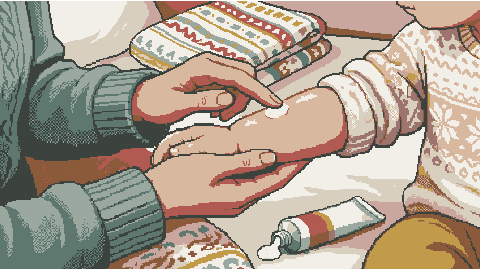
Skincare for eczema-prone skin
What the research and NHS guidance actually say
Eczema-prone skin loses water faster than it should and reacts to things other skin ignores. This guide summarises what published research and NHS guidance say about caring for it: how emollients work, which ingredients have been studied, what to avoid, and when to get professional advice.
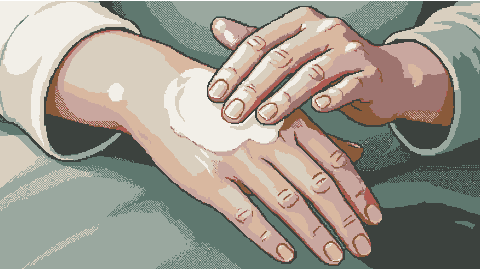
Skincare for sensitive skin
Gentler care for skin that over-reacts
Sensitive skin usually does not need more products, it needs fewer, gentler ingredients. This guide summarises what published dermatology reviews and EU cosmetic regulation say about triggers, tolerable emollients and patch-testing, alongside a simple routine. It is educational curation, not medical advice.

Skincare for newborn babies
A minimal routine aligned with NHS guidance
Newborn skin loses moisture faster than adult skin and needs very little: a short, gentle routine built on published neonatal skincare guidance, not a shelf of products. This guide summarises NHS advice and paediatric research. It is educational curation, not medical advice.
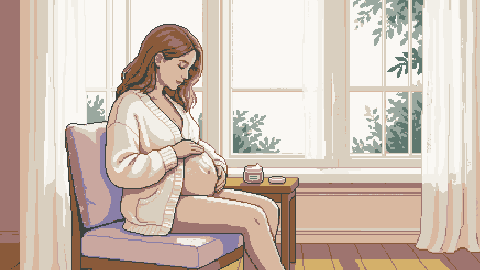
Skincare during pregnancy
Stretched, dry and newly sensitive skin: what changes, what to avoid and a routine that keeps it simple
Pregnancy changes skin in ways nobody quite warns you about: stretching, dryness, new sensitivities and the occasional itch that deserves a midwife rather than a moisturiser. This guide covers what happens, which ingredients to be cautious with, and a routine that keeps things simple while everything else is complicated.

Cream for dry, itchy skin
What guidance and studies suggest
Dry, itchy skin is usually thirsty skin, and public-health guidance points to the same handful of fixes: seal in moisture, strip out irritants, and moisturise little and often. This guide summarises NHS advice and published emollient research. It is educational curation, not medical advice.
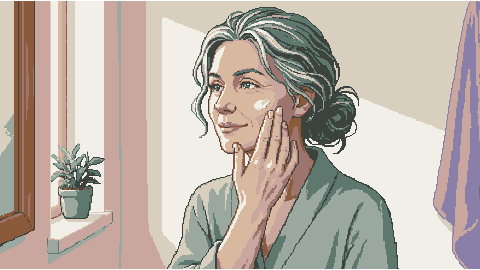
Skincare during menopause
Why skin changes in perimenopause and menopause, and the routine that keeps up
Skin changes are one of the least discussed parts of perimenopause and menopause, yet surveys suggest a majority of women notice drier or itchier skin during the transition. This guide summarises what the research and patient-facing guidance say about why it happens and what a sensible routine looks like.

Fragrance-free skincare
Reading labels and avoiding hidden fragrance
Fragrance is one of the most common cosmetic contact allergens, which is why EU rules make manufacturers name individual fragrance allergens on labels. This guide covers what fragrance-free actually means, who benefits most, and how to spot fragrance hiding on an INCI list. Educational curation, not medical advice.
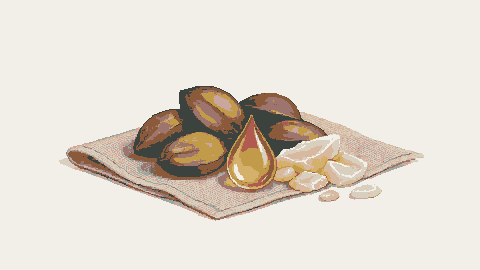
Coconut allergy and skincare
True coconut allergy is uncommon, but coconut-derived ingredients are everywhere. Which label names matter, how allergy differs from irritation, and how we formulate without coconut.
Coconut allergy exists but is rarer than the internet suggests. Most reactions people blame on coconut are irritation, or allergy to something else entirely. Here is how to tell the difference, which ingredient names to check on a label, and why our Extra Sensitive formula leaves coconut out altogether.