What a tallow balm actually is
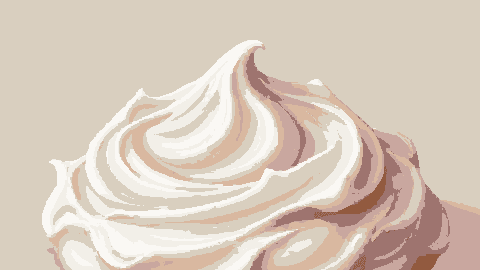
A tallow balm is an anhydrous moisturiser, meaning no water phase: rendered beef tallow, often whipped for spreadability, sometimes blended with oils or butters. With no water, a balm needs no preservative system, which is how some formulas stay at a handful of ingredients.
Rendered tallow itself is purified beef fat, heated gently and strained until it becomes a smooth, stable fat. In cosmetics it is listed simply as Tallow on the INCI, and it has a long documented history in soaps, balms and ointment bases.SAGE
The fatty-acid profile research describes
A 2024 scoping review of tallow's biocompatibility with skin catalogued its composition: predominantly oleic, palmitic and stearic acids, the same three fatty-acid families found in human sebum and in many of the better-studied cosmetic emollients.PubMed
Research on how fatty acids interact with the skin barrier describes oleic acid as a penetration enhancer and stearic and palmitic acids as skin-identical structural lipids. That profile is the reason tallow spreads and absorbs differently from mineral oil, which sits on the surface inertly.PubMedACS
Vitamins, carefully stated
You will often see tallow balm marketed on its vitamin content. The accurate version: rendered tallow retains small amounts of the fat-soluble vitamins present in the source fat, including vitamin E. The scoping review notes this, while also noting that concentrations vary with sourcing and rendering.PubMed
What that does not mean: tallow balm is not a vitamin supplement for your face, and nobody's evidence supports that framing. It is an emollient with a skin-compatible lipid profile and some naturally occurring antioxidant content.
What research supports, honestly
- Well established: tallow is safe as used in cosmetics per the CIR Expert Panel's safety assessment.SAGE Its fatty-acid families match known emollient chemistry, and occlusive-emollient products as a class reduce transepidermal water loss.
- Plausible but early: the biocompatibility argument, that a sebum-like lipid profile is why it feels unusually comfortable on dry skin. The scoping review calls for exactly this kind of further study.
- Not supported: any claim that tallow balm treats, heals or cures a skin condition. It is a cosmetic moisturiser, and that is what the evidence supports.
Who it tends to suit
Tallow balm suits skin that wants occlusion: very dry skin, weather-beaten hands, elbows, legs and anywhere a light lotion evaporates before it helps. People who prefer minimal ingredient lists gravitate to it because anhydrous balms can stay short on ingredients by design.
It suits fewer people on the face if they are congestion-prone, and it is not the pick if you want a water-light gel texture. Our is tallow comedogenic page covers the pore question honestly, and tallow vs shea butter covers how it compares to the other heavy emollient.
How to use it
- Amount: a pea-sized amount warmed between the palms covers more than it looks. Balms spread thin.
- Timing: on slightly damp skin after washing, when there is water on the surface to seal in.
- Night: the generous application belongs at bedtime, where occlusion works undisturbed.
- Hands: after every wash, particularly in winter. This is where heavy balms earn their keep.
A short history of tallow in skincare
Rendered animal fats are among the oldest cosmetic bases in the record: soaps, salves and ointment bases used them for centuries before mineral oil and petroleum jelly took over in the industrial era. The CIR safety documentation for tallow reviews that long use history as part of its assessment.SAGE
The recent revival is less nostalgia than formulation logic: anhydrous balms need no preservative, tallow's fatty acids overlap with skin's own lipids, and a single rendered ingredient can replace a long emollient list. The 2024 scoping review is the most sober summary of where that enthusiasm meets actual evidence.PubMed
Choosing a tallow balm
What to look for on the label and in the jar:
- Clean rendering: the fat should smell neutral to faintly waxy. A strong beefy or off smell means incomplete purification.
- Short ingredients: anhydrous balms need no water-phase preservatives, so the list should stay short. Tallow plus a partner emollient or two is a complete product.
- Texture that suits you: whipped balms spread easiest; firmer balms travel better and last longer per jar.
- Honest positioning: a balm is a cosmetic moisturiser. Brands claiming more are telling you to shop elsewhere.
Tallow balm in a modern routine
Where a balm fits depends on what you already use. On top of a water-based moisturiser it works as the occlusive seal, the last step that locks everything underneath in. On its own, applied to damp skin, it is the whole routine for people who prefer minimalism.
What it is not is a serum or a treatment step. A balm adds nothing the skin did not have; it loses less of what the skin already has. That reframe, sealing rather than adding, is the most accurate way to think about where it earns its place.
What the evidence does not support
Balance matters, so here are the claims the published record does not currently back. There is no good human evidence that tallow treats eczema, psoriasis or acne, that it outperforms standard emollients in controlled trials, or that it reverses skin damage. The scoping review's overall verdict is that human skin research on tallow is thin, interesting chemistry ahead of clinical proof.PubMed
Honest positioning is the point of this page: tallow balm is a good occlusive moisturiser with a sensible fatty-acid profile, not a treatment. Anything stronger than that belongs in a clinical paper we do not have.
FAQs
Question
What is the difference between tallow balm and tallow cream?
Answer
Mostly naming. A whipped tallow balm and a water-free tallow cream are the same format: anhydrous tallow blended for spreadability. If a product contains water it is technically an emulsion cream, which needs preservation. Ours are water-free balms.
Question
Is tallow balm greasy?
Answer
Richer than a lotion, yes, but the skin-lipid match is why users describe it sinking in rather than sitting on top. A pea-sized amount spread thin is the trick: most greasiness complaints come from over-application.
Question
How long does a jar last?
Answer
Anhydrous balms are concentrated: a 100g jar used daily on face or hands typically lasts two to three months, since you use a fraction of what a water-based lotion needs.
Question
Can I use tallow balm on my face?
Answer
Many people do, particularly in winter, but facial skin varies more than body skin. If you are congestion-prone, start on a small area and read our comedogenic guide first.
Question
Is a tallow balm suitable for sensitive skin?
Answer
Many people with sensitive skin tolerate tallow well because the ingredient list can stay very short and it is fragrance-free by nature. The scoping review notes its long use history.PubMed Individual responses vary though, so patch-test first and read our sensitive skin guide.
Question
Can I use tallow balm in summer?
Answer
Yes, though it earns its keep most in cold, dry weather. In summer it still suits after-sun dryness, feet, hands and anywhere needing occlusion. Just keep the jar out of direct heat since it softens readily.
Question
Does tallow balm expire?
Answer
Anhydrous balms are stable because there is no water for microbes to grow in, typically a year or more. Use clean hands or a spatula, keep it out of heat and sunlight, and discard if it develops an off smell, which signals oxidation.
Question
Does tallow balm help eczema or psoriasis?
Answer
Those are medical conditions, and a cosmetic balm is not a treatment for them. What the evidence supports is occlusive emollience; diagnosed conditions belong with a GP or dermatologist, and our eczema-prone skin guide lays out where cosmetics fit alongside prescribed care.
References
Tallow biocompatibility scoping review
Tallow, rendered animal fat and its biocompatibility with skin: a scoping review, 2024.PubMedCIR safety assessment of tallow
Cosmetic Ingredient Review. Final report on the safety assessment of tallow and related ingredients.SAGEFatty acids and the skin barrier
Historical use in ointment bases
Royal Pharmaceutical Society museum: Ointments, Creams and Plasters.